
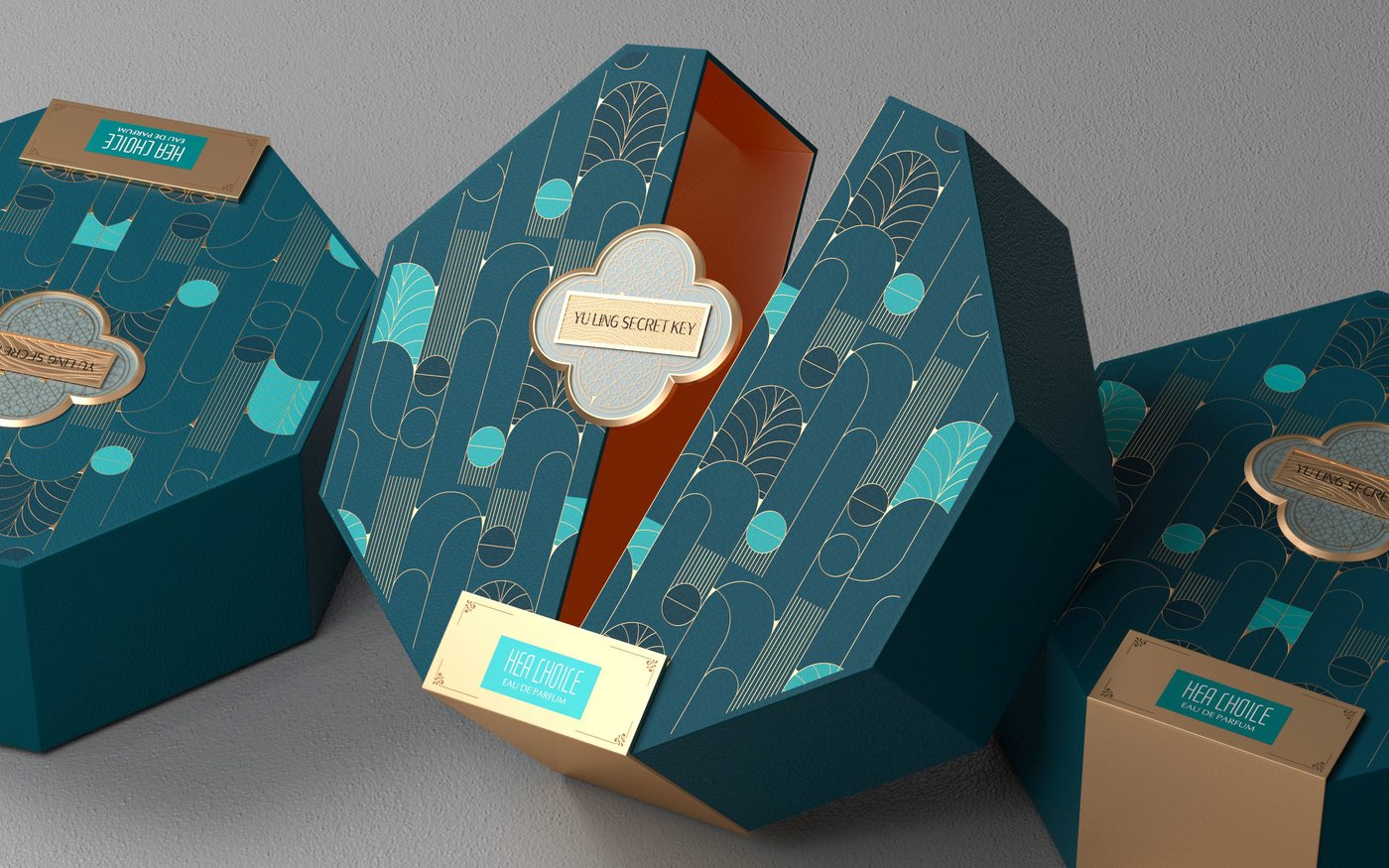
In today’s competitive landscape, businesses need to stand out. Tailored packaging solutions have emerged as an effective way to enhance product visibility and promote brand identity. Custom…
A New Era in Packaging Design
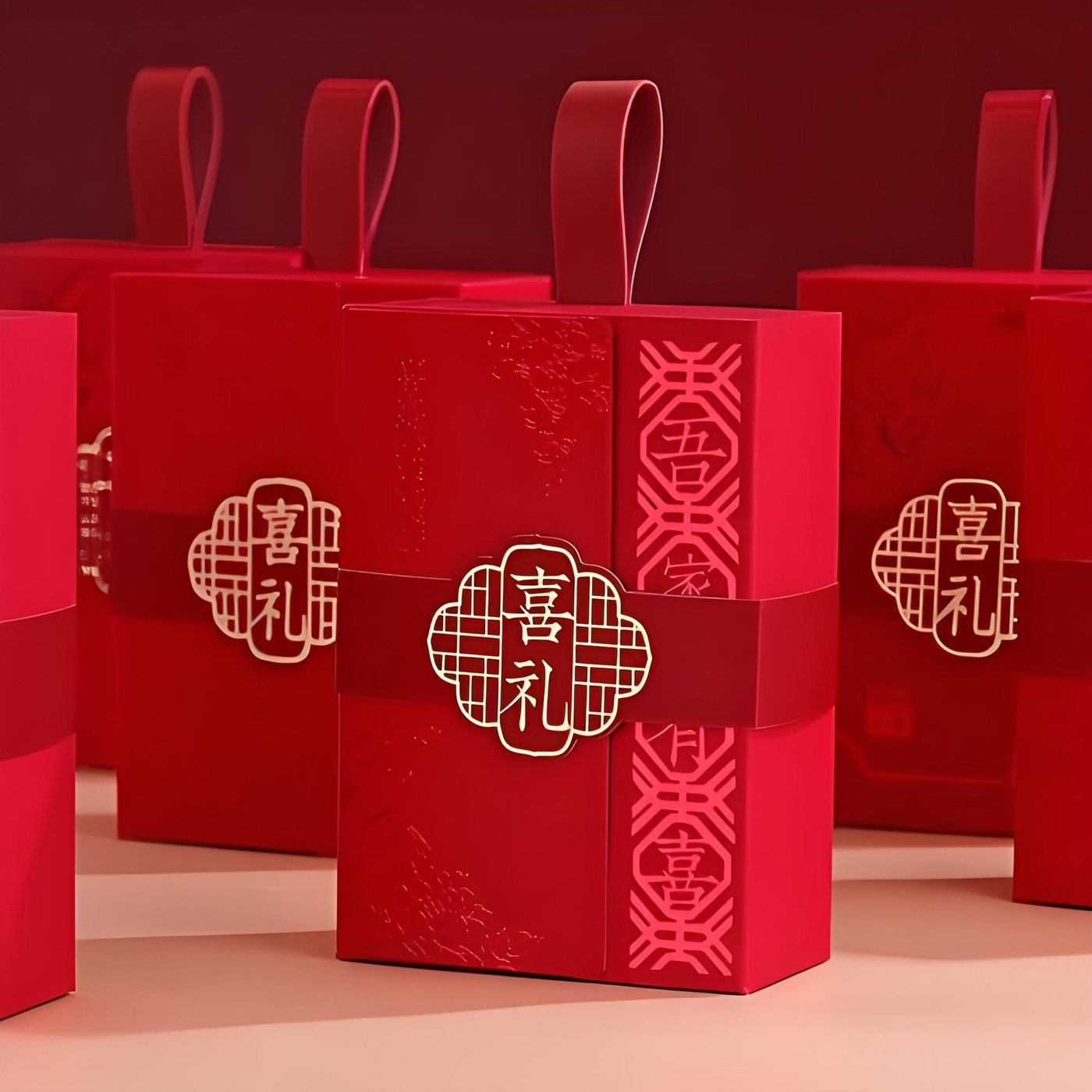
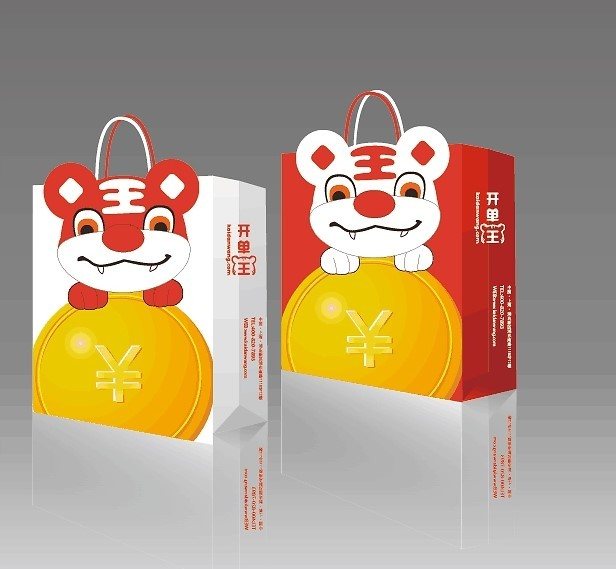
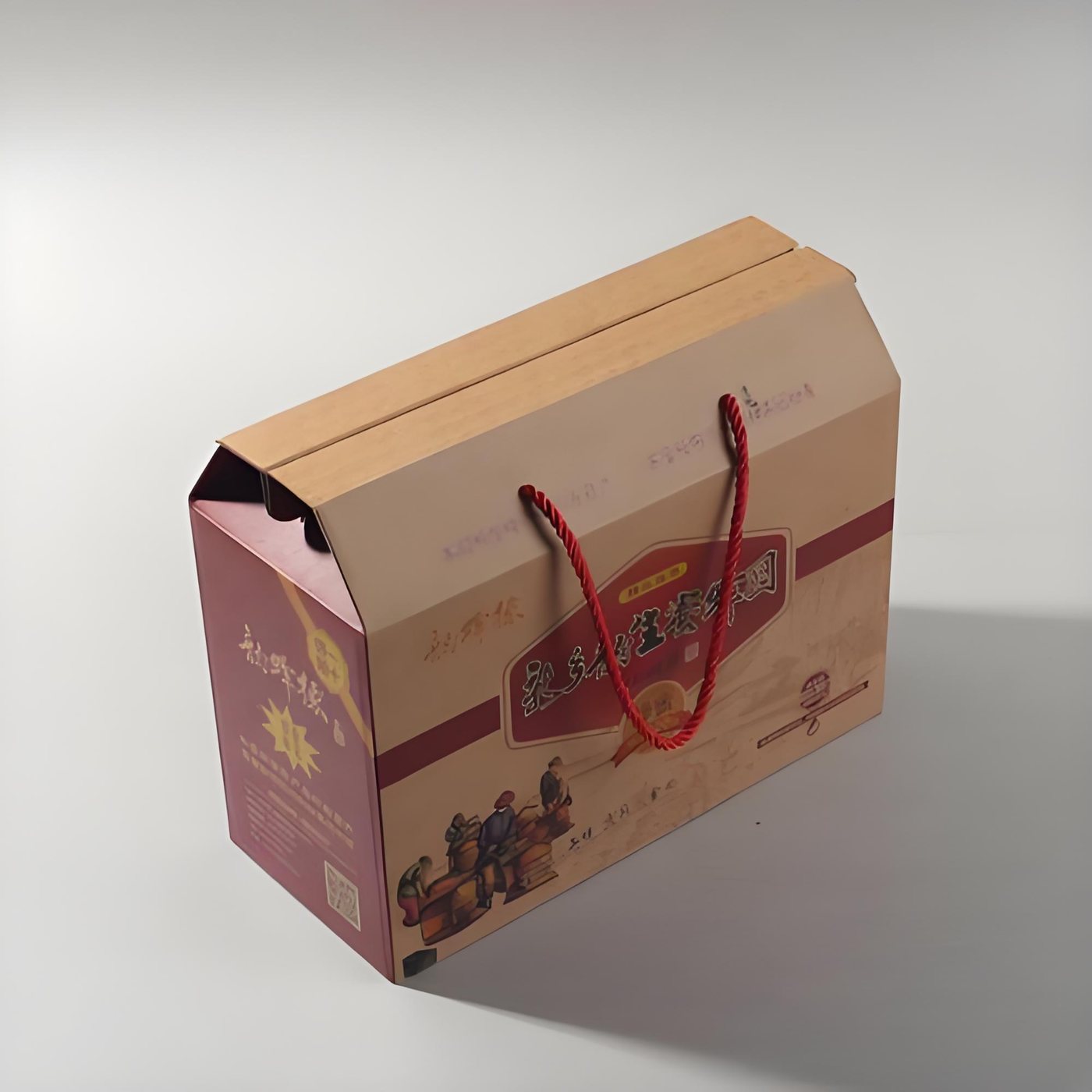
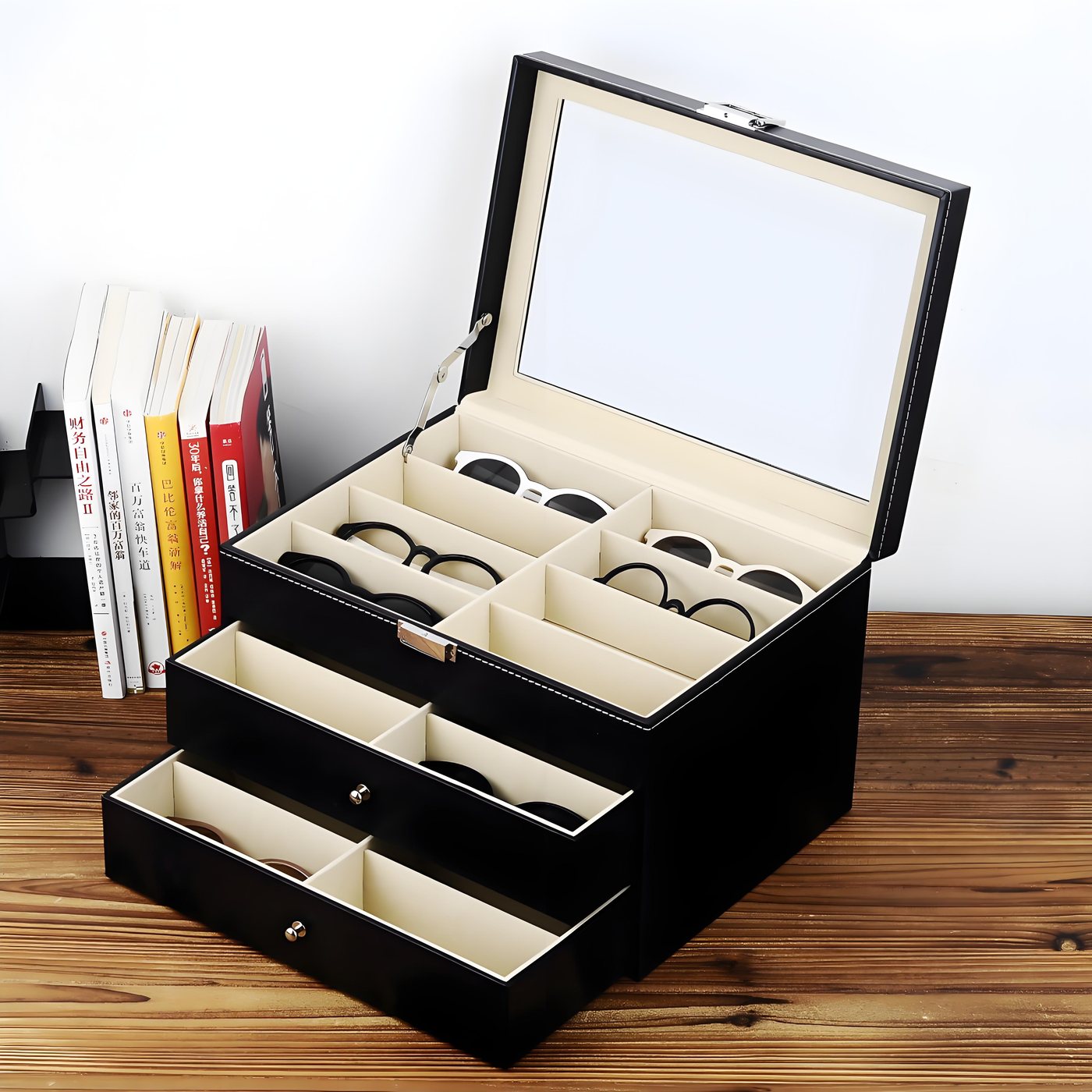
In today’s competitive landscape, businesses need to stand out. Tailored packaging solutions have emerged as an effective way to enhance product visibility and promote brand identity. Custom packaging design not only protects products but also tells a story, engages consumers, and ultimatel
A New Era in Packaging Design
In today’s competitive landscape, businesses need to stand out. Tailored packaging solutions have emerged as an effective way to enhance product visibility and promote brand identity. Custom packaging design not only protects products but also tells a story, engages consumers, and ultimately drives sales.
Why Tailored Packaging Matters
Custom packaging is no longer a luxury; it’s a necessity. Here’s why:
1. Enhances Brand Identity
Brand identity encompasses everything from your logo to your package design. A unique and eye-catching packaging solution can communicate your brand’s essence, making it instantly recognizable to consumers.
2. Increases Product Appeal
The first impression a consumer has of a product often comes from its packaging. Carefully designed packaging can enhance perceived value and attract potential buyers.
3. Eco-friendly Options
As sustainability becomes increasingly important to consumers, tailored packaging solutions can incorporate eco-friendly materials and practices. This boosts your brand reputation and aligns with consumer values.
4. Versatile Applications Across Industries
Tailored packaging solutions can be applied to numerous sectors, from food and beverage to cosmetics and electronics. Each industry has unique requirements, and custom packaging can address these effectively.
Key Elements of Effective Packaging Design
Understanding the principles behind effective packaging design is crucial for creating solutions that resonate with consumers.
1. Material Selection
Choosing the right materials is fundamental. Options range from cardboard and biodegradable plastics to glass and metal. Each material has its advantages and should align with the product's purpose and brand values.
Benefits of Different Materials
- Cardboard: Lightweight, cost-effective, and recyclable.
- Glass: Offers premium product presentation and is recyclable.
- Plastic: Durable, versatile, and can be designed in various shapes.
2. Structural Design
The structural design of your packaging impacts functionality and aesthetics. It should provide protection, facilitate transport, and enhance the user experience.
Innovative Structural Designs
- Boxes: Ideal for securing fragile items.
- Pouches: Flexible and lightweight, ideal for snacks or liquids.
- Blister Packaging: Perfect for pharmaceuticals and electronics.
3. Graphics and Branding
Visual elements play a vital role in attracting consumers. Use graphics that tell your brand story and resonate with your target audience. Color, typography, and illustrations should work together cohesively.
Creating Impactful Graphics
- Choose colors that align with your brand identity.
- Use typography that is legible and reflects your brand personality.
- Incorporate illustrations or photography that resonate with your audience.
Industry-Specific Tailored Packaging Solutions
Different industries have specific needs, and tailored packaging can meet these demands effectively.
1. Food and Beverage Packaging
In the food and beverage sector, packaging must ensure product freshness while being visually appealing. Regulatory compliance is also crucial. Sustainable packaging options, like biodegradable materials, are becoming increasingly popular.
Trends in Food Packaging
- Minimalist Design: Clean, simple packaging that emphasizes quality.
- Sustainability: Eco-conscious consumers prefer brands that use sustainable materials.
- Interactive Packaging: QR codes or augmented reality can engage consumers.
2. Cosmetic Packaging
Cosmetics packaging often prioritizes aesthetics and luxury feel. Innovative designs can enhance shelf appeal and provide an experience that reflects the brand's values.
Strategies for Cosmetic Packaging
- Use high-quality materials that evoke luxury.
- Incorporate unique shapes that stand out on the shelf.
- Ensure the packaging is user-friendly for easy application.
3. Electronics Packaging
Packaging for electronics must prioritize protection and functionality. Products should be securely held in place to prevent damage during transport.
Best Practices for Electronics Packaging
- Use anti-static materials for sensitive electronics.
- Design packaging that allows for easy unboxing and reusability.
- Incorporate clear labeling for instructions and safety warnings.
Choosing the Right Packaging Partner
Selecting a packaging professional is crucial for bringing your visions to life. When looking for a partner, consider the following:
1. Experience and Expertise
Choose a team with a proven track record in your industry. Their expertise will help ensure that your packaging meets both aesthetic and functional requirements.
2. Innovative Capabilities
A good packaging partner should be able to offer innovative solutions that incorporate the latest trends and technologies.
3. Commitment to Sustainability
Look for partners who prioritize eco-friendly practices. Sustainable packaging options are not only beneficial for the environment but can also attract eco-conscious consumers.
The Future of Tailored Packaging Solutions
As consumer preferences evolve, so too must packaging solutions. The future of tailored packaging will likely see:
1. Smart Packaging
Technology is paving the way for smart packaging, which includes features like QR codes, temperature sensors, and RFID tags. These innovations can optimize supply chains and enhance customer engagement.
2. Greater Sustainability
The demand for sustainable packaging will continue to grow. Brands that adopt eco-friendly materials and practices will likely gain a competitive edge.
3. Personalizati…